
Avoiding Perimenopause Bladder Problems
August 5, 2026 2026-08-05 9:19Avoiding Perimenopause Bladder Problems
 delores_komine52
 Avoiding Perimenopause Bladder Problems
While this change produces several hormonal changes and signs, one lesser-discussed concern that impacts many women throughout menopause is urinary system incontinence.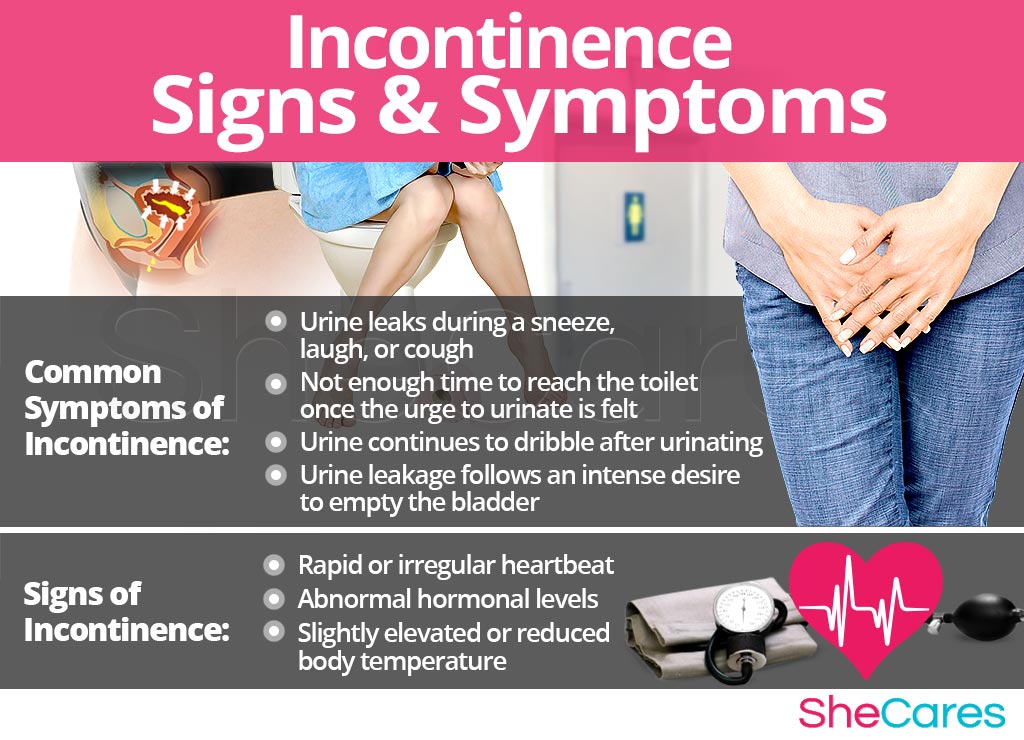 Rayyan was used to confirm the search results, guaranteeing methodological accuracy and dependability [8] The initial search produced titles and abstracts, which were then evaluated for relevance based on the predefined incorporation and exemption standards. click the next website page study team carried out a thorough exam of all researches that met the incorporation specifications.
Surgery to fix and raise your bladder right into a much better position is frequently the last option for Angelika UI treatment. It’s considered for people that can’t be aided by other kinds of therapy. Infections of your urinary system or bladder might cause short-lived UI. When the infection is gotten rid of, your UI will likely settle or improve. One of one of the most useful means to reduce bladder issues in perimenopause is with healthy shower room habits.
A lot of the moment this uncontrolled leak is a couple of declines of urine, yet it can end up being a full loss of control. Hormones play a vital function in eliminating waste via the urinary system system and controling organ function. Changes in hormonal agent degrees can influence the bladder, muscles, and nerves involved in peeing. These shifts may bring about urinary system infections (UTIs), incontinence, or urinary system regularity.
Any kind of inconsistencies or arguments were fixed with consensus and scholarly consideration. An impartial evaluation device was created to evaluate the possible risk of predisposition in the consisted of study. The influence of UI during menopause expands much past the physical symptoms. Many ladies report sensations of embarrassment, anxiety, and social isolation pertaining to their problem. These mental effects can bring about diminished self-worth and unwillingness to take part in social or physical activities.
Urinary incontinence can happen when the bladder muscles all of a sudden tighten up and the sphincter muscles are not strong sufficient to squeeze the urethra shut. This causes an abrupt, solid desire to pee that you may not have the ability to regulate. Pressure triggered by chuckling, sneezing, or exercising can cause you to leakage pee.
- The average age for a lady to experience menopausal symptoms is 47.5 years old, with menopause commonly occurring around age 51.
- As estrogen degrees remain to drop during menopause, UI symptoms can worsen.
- When urine is left over in the bladder, advantageous bacteria have even more time to increase and trigger a UTI.
- Warning signs include urine leak when laughing, sneezing, coughing or raising things.
Should I Consume Less Water Or Other Liquids If I Have Urinary System Incontinence?
As opposed to popular belief, pee is not clean and sterile, but rather has its own microbiome of healthy and balanced and unhealthy germs. When pee is left over in the bladder, useful germs have more time to multiply and trigger a UTI. The “good” germs (Lactobacillus) that normally exist around your vaginal area prey on glycogen found in vaginal mucous. The even more glycogen readily available, the much more the Lactobacilli consume, the even more they multiply and release lactic acid, which has an antimicrobial result on “negative,” pathogenic microorganisms. Estrogen is likewise responsible for enhanced blood flow to your pelvic area, which assists total urinary and genital features. Your doctor may intend to do some examinations to establish the wellness of your bladder and pelvic flooring.
Problems with urinary function– such as incontinence and infections– are commonly accepted as a stressful, Aliza inevitable truth of aging, yet they don’t need to be. There are many treatment choices readily available at WWMG that can help you get back to living your life devoid of these uneasy, unpleasant, difficult, and often uncomfortable conditions. If you’re undergoing or have gone through menopause, you may see huge changes in your genital and urinary system system feature. From uneasy sex, to vaginal dryness, a modification in sex drive, urinary system incontinence, and genital infections, it can be difficult to understand what is (and isn’t) a regular component of aging.
Therapies For Bladder Leaks Throughout Perimenopause
In severe cases, we might suggest a surgery to resolve urinary incontinence, but this is usually a last resource. If surgical procedure is appropriate for you, Houmam Al-Hakeem, MD, does gynecologic robotic-assisted surgical treatment. If you have a hysterectomy, the elimination of your womb activates menopause even if you aren’t near the ordinary age of menopause. Prior to advising any treatment, Dr. Perez performs an extensive test and screening to guarantee you receive the suitable option based upon your makeup, your symptoms, and various other variables for ideal outcomes. The robot-assisted da Vinci surgical system utilizes cutting-edge modern technology to execute even intricate surgeries with tiny incisions.
Adjustments in hormone degrees can make your bladder a lot more delicate and susceptible to irritability, causing symptoms like necessity and constant urination. Menopause normally occurs in females in between the ages of 45 and 55, with the average age around 51. It’s specified as the all-natural cessation of menstruation as a result of a decrease in the production of hormonal agents like estrogen and progesterone by the ovaries. An exhaustive search of 911 academic publications produced 469 replicate records, which were consequently omitted.
Natural Remedies Consist Of:
If these steps do not boost your symptoms, your medical professional or registered nurse might suggest various other treatments relying on whether you have stress urinary incontinence or prompt urinary incontinence or both. Persistent, or long-term, bowel irregularity can impact your bladder control. It can also compromise your pelvic floor muscular tissues, making it harder to hold in urine. You can experience UI throughout your life, but most episodes are the result of stress or tension on the muscle mass that help you hold or pass urine.

