
Smart Strategies For Stress-Free house cleaning This Season
August 21, 2026 2026-08-21 4:11Smart Strategies For Stress-Free house cleaning This Season
 wunualoka75r94
 Smart Strategies For Stress-Free house cleaning This Season
A tidy home doesn’t happen by accident; it’s the product of timing, structure, and steady habits that people can actually keep. Start with a clear scope and match it to your calendar, so routines stick. Batch rooms by effort, stack matching steps, and set rhythms that flex with real life. If you’re hunting for house cleaning near me, set frequency early so your choice fits how you live, not the other way around. Biweekly for whole-home upkeep works well, and occasional deep dives round out the plan. Basics outwork fancy gadgets: a sturdy vacuum, microfiber sets, and a caddy trimmed to your spaces. Keep moves small, tie chores to routines, and celebrate small wins to build momentum.
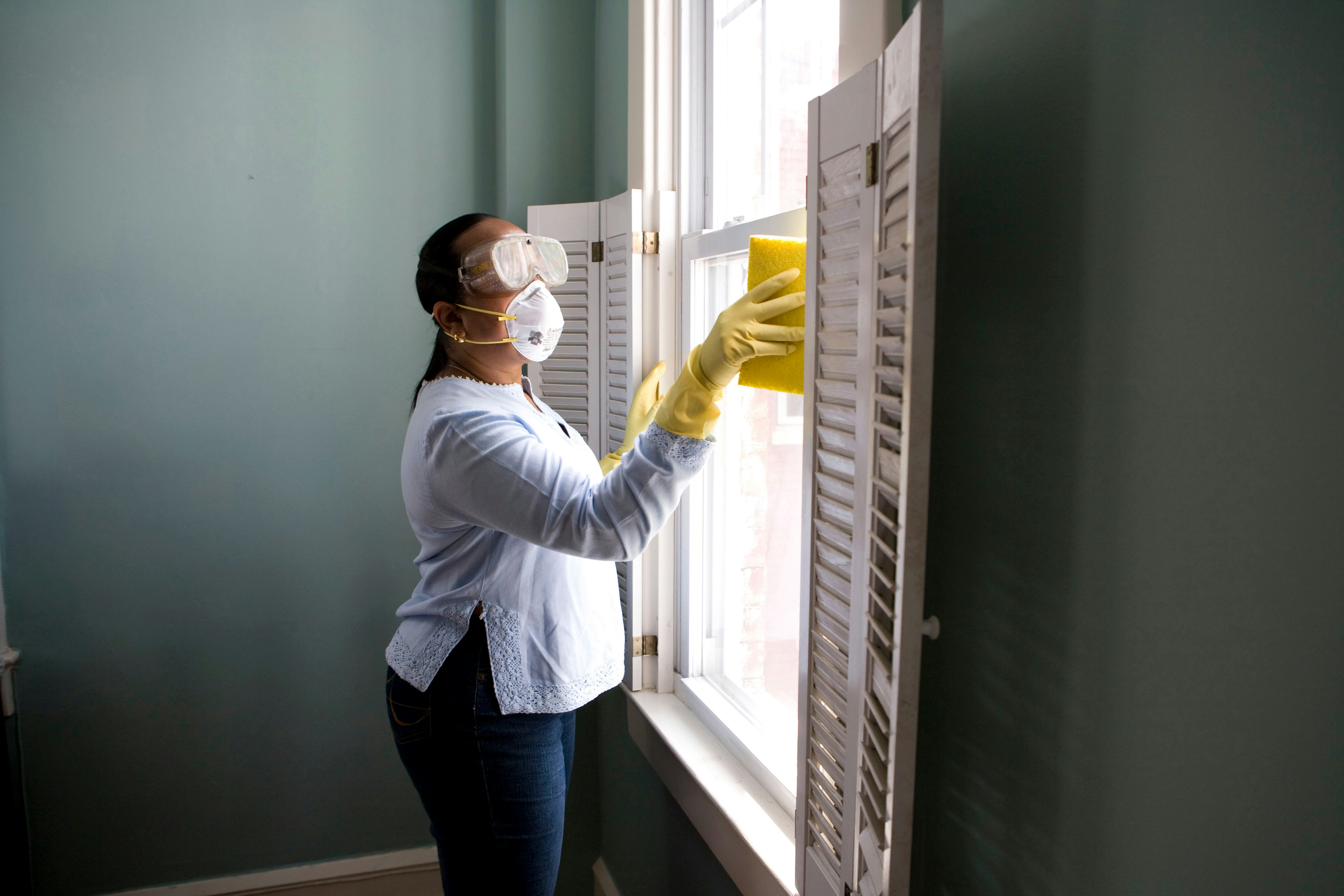
Map needs early, scope rooms, sequence the first pass
Every solid start begins with a quick walk-through and a space-by-space tally of what matters most. We’ll pace the first lap with surfaces, traffic lanes, and visible clutter, then set the rest in blocks; house cleaning helps keep the checklist grounded. Flag heavy-use zones like the kitchen and entry, tag repeat messes, and estimate minutes by task, not by room. You’ll prevent scope creep by capping sessions at 45–60 minutes. Keep the first run light: declutter, then dust high to low, and park deeper items for a later slot.
Set measurable outcomes, like clear floors by Friday, so progress shows even when time is short. Run a two-song timer and freeze the list when time expires. That guardrail builds trust in your plan. Rotate start rooms each week to spread freshness, avoid fatigue, and split big tasks cleanly.
Stock smart supplies, sort them, and park by zones
Your tools should shorten steps, limit retracing, and fit how your home flows. Keep a lean caddy with microfiber cloths, a glass towel, a gentle all-purpose, and a bathroom-safe descaler, then add floor items by surface; our daily kits stress gentle choices, and we rotate bottles monthly to stay consistent, while house cleaning sits in your notes for reference. Stash a mini kit upstairs so you move less and finish more. Simple tags on shelves keeps anyone on the team in sync.
Microfiber beats paper for dust and shine. Use a flat mop on sealed floors, a silicone squeegee on glass, and a sealed canister for allergies. Refill on Sundays to dodge mid-task stalls. Smaller refills cut spills, so waste stays low.
Build steady rhythms, batch tasks, and timebox sessions
Reliable results come from a cadence you can repeat, not a marathon. Drop a 15-minute reset after dinner, and split rooms by days; we slide detail jobs into quiet windows while dishes dry, and this sequence trims errors as house cleaning reminds us when to pause and pivot. Wednesdays hit bedding, with light dusting and floors rotating as needed. When life spikes, cut the plan in two.
Use anchors you never miss: kids’ bedtime. Tie a short sweep to each anchor, like wiping handles. You’ll stack wins without draining willpower. For deep resets, book a quiet Sunday slot and protect it like an appointment. Small daily moves outpace rare marathons.
Verify results, reduce risks, and protect comfort
Shiny surfaces don’t mean the job is done; proof lives in edges, switches, and air. After each zone, run a five-point check: corners, baseboards, glass edges, sink rims, and floor lines; we log misses in a quick note so the next pass closes the loop, and add reminders right where they’re needed as house cleaning keeps the checklist visible between rounds. Short, sharp audits catch 90% of issues. Crack windows on glass jobs and use gentle products first.
Allergy control needs a routine, not luck. Swap cloths by room to avoid cross-transfer, spin pads between rooms, and HEPA filters on schedule. You’ll feel the difference in spring and fall. Keep step stools stable, no stretch cleans, and park cords out of lanes.
Balance spend, pick priorities, and tune frequency
Money stretches when minutes do, so fund the jobs that move the needle. Weight your plan toward kitchens, baths, and main floors, then cycle bedrooms and storage less often; if guests are due, pull forward an entry spruce and a powder-room detail, and slide the rest a week as house cleaning helps you remember what can wait. Smart shuffles protect weekends and wallets. Bundle low-lift add-ons, like grates and grills, into one monthly slot.
Choose a schedule your budget loves. Weekly touch-ups hold down grime, so heavy scrubs shrink. If funds tighten, go biweekly and focus zones. Keep a rolling list of “five-minute fixes,” knock them out at lunch, and park big-ticket details for a quiet quarter. Consistency beats fancy gear every time.
Coordinate family, set expectations, and capture ideas
People keep spaces clean, not charts, so make the plan visible and easy. Post a one-page board by the fridge, assign initials to days, and mark wins with a small check; we keep remarks short, upbeat, and specific while house cleaning sits in the notes line to cue next steps. Praise the finished task, not the person. Soft reminders beat lectures every time.
Set “done” lines by surface: streak-free mirror. Swap roles every two weeks, so boredom fades, and swap lists during exams. A fast check-in stops drift. Keep supplies where they’re used, not hidden in a closet, so friction disappears.
Conclusion
A clear scope, smart staging, dependable rhythms, tight quality checks, and flexible budgets work together to keep home care repeatable. Small moves, placed well, beat exhaustive sprints. With priorities set, supplies near the action, and people aligned, momentum builds and mess stays manageable. Adjust frequency with life’s pace, and results will last.
